
The Ultimate Guide to Safe Online Gaming: How to Protect Your Privacy and Security
Online gaming offers a vast landscape of entertainment, connecting players across the globe. However, this interconnectedness also presents potential security and privacy risks. This guide aims to equip you with the knowledge and tools to navigate the digital arena safely, ensuring your personal information remains protected and your gaming experience remains enjoyable.
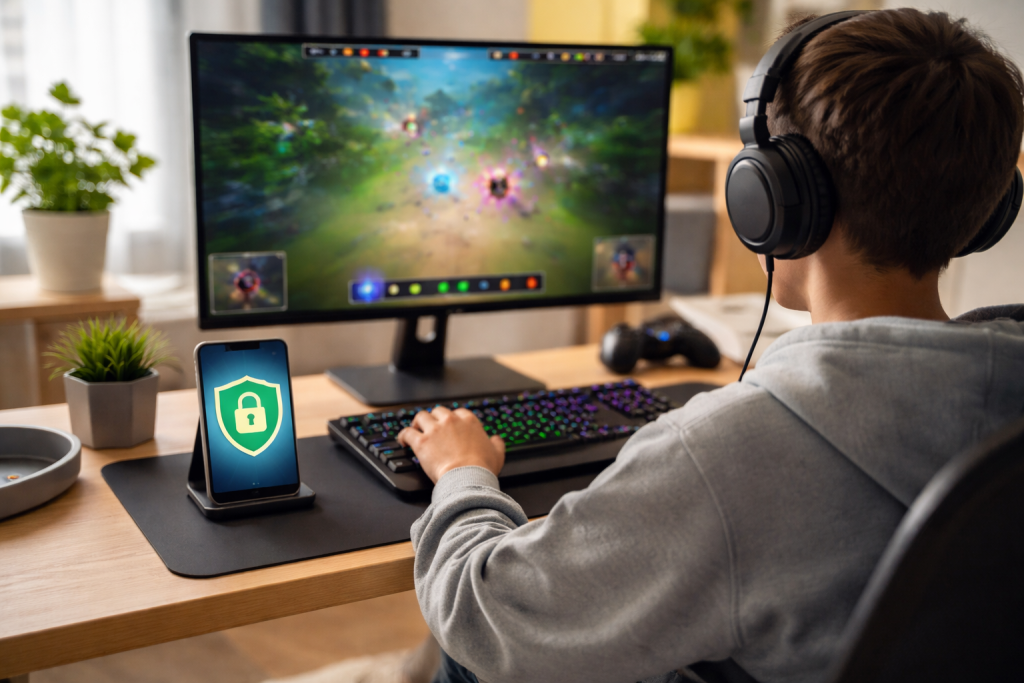
Millions are drawn to the allure of online gaming, from competitive multiplayer battles to immersive role-playing worlds. Yet, beneath the surface of this engaging hobby lie potential dangers. Understanding these risks is the first step toward a secure gaming life. Think of it as knowing the terrain before venturing into unfamiliar territory.
Contents
- 0.1 Data Breaches and Account Theft
- 0.2 Malware and Phishing Attacks
- 0.3 Social Engineering and In-Game Scams
- 0.4 Financial Fraud and In-Game Purchases
- 0.5 Exposure to Inappropriate Content and Harassment
- 0.6 Limiting Information Sharing
- 0.7 Understanding Privacy Policies
- 0.8 Using Alias and Pseudonyms
- 0.9 Being Cautious with In-Game Communication
- 0.10 Securing Your Gaming Account
- 0.11 Researching Platform Reputation
- 0.12 Examining Security Features and Encryption
- 0.13 Considering Payment Security Protocols
- 0.14 Reading User Reviews and Forums
- 0.15 Understanding Account Recovery and Support
- 0.16 Complexity and Length
- 0.17 Uniqueness for Each Account
- 0.18 Avoiding Personal Information and Common Words
- 0.19 Utilizing Password Managers
- 0.20 Regularly Changing Passwords
- 0.21 Identifying Phishing Attempts
- 0.22 Beware of “Too Good to Be True” Offers
- 0.23 Verifying Third-Party Marketplaces
- 0.24 Recognizing Impersonation Scams
- 0.25 Understanding Account Selling and Trading Risks
- 0.26 Antivirus and Anti-Malware Software
- 0.27 Firewalls
- 0.28 Keeping Software Updated
- 0.29 Using a Virtual Private Network (VPN)
- 0.30 Enabling Two-Factor Authentication (2FA)
- 0.31 Being Mindful of Information Shared in Game
- 0.32 Understanding Privacy Settings in Communication Tools
- 0.33 Reporting Abusive Behavior and Scams
- 0.34 Avoiding Unnecessary Risks in Player-Versatile Environments
- 0.35 Cultivating a Trusted Gaming Circle
- 1 FAQs
- 1.1 1. What are the risks of online gaming in terms of privacy and security?
- 1.2 2. How can I protect my personal information while gaming online?
- 1.3 3. What are the best practices for creating strong passwords for online gaming accounts?
- 1.4 4. How can I recognize and avoid online scams while gaming?
- 1.5 5. What security software and tools can I utilize to enhance my online gaming safety?
Data Breaches and Account Theft
Gaming platforms, like any online service, store user data. The data can include personal details such as usernames, email addresses, and sometimes even payment information. Unfortunately, these platforms can be targets for cybercriminals. A successful data breach can expose your information to malicious actors, leading to identity theft or unauthorized access to your gaming accounts. Once an account is compromised, it can be used for scams, selling in-game items for real money, or even spreading malware. The consequences can extend beyond the game, affecting your broader online presence.
Malware and Phishing Attacks
The digital world, including the gaming community, is not immune to malware. The infection can manifest through malicious downloads disguised as game patches, cheats, or even legitimate-looking game installers. Clicking on a compromised link or downloading an infected file can introduce viruses, spyware, or ransomware onto your device. Phishing attacks are another significant concern. These attacks often impersonate legitimate gaming companies or fellow players, attempting to trick you into revealing your login credentials or personal information. An example is an email claiming your account has been flagged for suspicious activity, directing you to a fake login page.
Social Engineering and In-Game Scams
Beyond technical vulnerabilities, human interaction within games presents its set of risks. Social engineering is a tactic where attackers exploit human psychology to gain access to information or systems. This can involve building trust with other players to convince them to share sensitive details or participate in fraudulent schemes. In-game scams are prevalent and often involve promises of rare items, in-game currency, or exclusive access in exchange for real-world money or account details. These scams can be sophisticated, preying on players’ desire for advantage or rare collectibles.
Financial Fraud and In-Game Purchases
The monetization of online games, through in-game purchases, loot boxes, and subscription services, can also be a vector for financial fraud. Unsecured payment methods or compromised accounts can lead to unauthorized charges. Furthermore, fake marketplaces or third-party sellers offering in-game items at suspiciously low prices are often scams designed to steal your money without delivering any product. These schemes erode trust and can lead to significant financial loss.
Exposure to Inappropriate Content and Harassment
While not strictly a security risk in the traditional sense, exposure to inappropriate content or experiencing harassment from other players can negatively impact your gaming experience and well-being. Unmoderated chat systems or poorly regulated game environments can expose younger players, in particular, to offensive language, discriminatory remarks, or sexually suggestive content. Cyberbullying and targeted harassment can create a hostile environment, making gaming an unpleasant, rather than enjoyable, pursuit.
Safeguarding your personal information is paramount in the online gaming world. Just as you wouldn’t leave your front door unlocked, you shouldn’t leave your digital identity vulnerable. Implementing robust personal information protection strategies will act as your digital locks and alarms.
Limiting Information Sharing
The principle of least privilege applies strongly to your personal data. Only share the absolute minimum information required for a service or interaction. Gaming platforms often request more data than is strictly necessary for gameplay. Review privacy settings carefully and opt out of any data-sharing options that are not essential. This includes information like your real name, date of birth, location, and personal contact details. Be wary of games or applications that demand excessive personal information upfront.
Understanding Privacy Policies
Every online service has a privacy policy, though they can be dense. While it’s tedious, taking the time to understand how a gaming platform collects, uses, and shares your data is crucial. If a policy is vague or concerning, it might be a sign to reconsider using that platform. Look for clear explanations of data retention periods, third-party sharing practices, and your rights regarding your data. Knowledge of these policies empowers you to make informed decisions.
Using Alias and Pseudonyms
For many online games, using a pseudonym is perfectly acceptable and often encouraged. This creates a layer of separation between your online gaming persona and your real-world identity. When creating usernames or in-game aliases, avoid using personal information like your real name, birth year, or recognizable details. A creative and unique username is often more memorable and less revealing than one that can be easily linked back to you.
Being Cautious with In-Game Communication
While fostering community is a positive aspect of gaming, direct messaging or voice chat with unknown individuals carries risks. Avoid sharing personal details with players you have just met. Be mindful of what you say in public chat channels, as this information can be observed by many. If conversations turn personal or uncomfortable, it is best to disengage or block the user.
Securing Your Gaming Account
Your gaming account is a gateway to your digital gaming life. Treat its security with the utmost importance. This involves more than just a strong password, which we will discuss later. It also means being aware of account recovery options and ensuring that the associated email address is itself secure and regularly checked for suspicious activity.
The foundation of your secure online gaming experience lies in the platforms you choose. Selecting reputable and secure environments is akin to choosing a well-built house—it offers better protection from the elements and potential intruders.
Researching Platform Reputation
Before investing time and money into a gaming platform or specific game, conduct some research. Look for reviews that discuss the platform’s security practices, customer support, and history of data breaches. Reputable gaming companies typically have dedicated security pages or statements outlining their commitment to user safety. A quick search for “[Platform Name] security” or “[Platform Name] data breach” can yield valuable insights.
Examining Security Features and Encryption
When evaluating a gaming platform, look for details about their security measures. Does the platform use SSL/TLS encryption for data transmission, especially during login and payment processes? This encrypts the data flowing between your device and the server, making it unreadable to eavesdroppers. Check if the platform offers two-factor authentication (2FA) as an option to add an extra layer of security to your account. Secure platforms are transparent about their security protocols.
Considering Payment Security Protocols
If the platform involves financial transactions, understand how it handles payments. Reputable platforms partner with established and secure payment processors. Look for security seals or trust badges from well-known payment security organizations. Ensure that the platform clearly outlines its refund policies and dispute resolution processes in case of payment issues. Never enter financial details on a site that does not appear to be secure (e.g., lacking “https://” in the URL or a padlock icon).
Reading User Reviews and Forums
User feedback can be an invaluable resource. Browse gaming forums, review sites, and social media for discussions about a platform’s security and user experience. Players often raise concerns about shady practices or security vulnerabilities before they become widely known. Pay attention to recurring complaints related to account security or data privacy.
Understanding Account Recovery and Support
How does the platform handle account recovery? A secure platform will have a verification process in place to ensure that legitimate account owners can regain access while making it difficult for unauthorized individuals to do so. Good customer support that can assist with security-related issues is also a positive indicator. A platform that is difficult to reach or dismissive of security concerns might not be your best bet.
Your password is the primary gatekeeper to your online gaming accounts. A weak password is like a flimsy lock, easily picked by determined intruders. Embracing strong password practices is essential.
Complexity and Length
The cornerstone of a strong password is its complexity and length. Aim for a password that is at least 12-15 characters long. Combine uppercase and lowercase letters, numbers, and symbols. Avoid common words, personal information (birthdays, names), sequential characters (like 12345), or predictable patterns. Think of a password as a unique code, not a common phrase.
Uniqueness for Each Account
This is a critical, yet often overlooked, practice. Never reuse passwords across different gaming platforms or any online accounts. If one account is compromised, and you’ve reused the password, all other accounts using that same password are also at risk. It is like giving a burglar the key to your entire house if they find the key to your shed.
Avoiding Personal Information and Common Words
As mentioned, personal details like your pet’s name, your favorite sports team, or your birth year are easily discoverable. Similarly, common dictionary words or phrases are vulnerable to dictionary attacks. The goal is to create passwords that are memorable to you but nonsensical to automated cracking tools.
Utilizing Password Managers
For managing numerous unique and complex passwords, a password manager is an indispensable tool. These applications securely store your passwords and can generate strong, random passwords for you. You only need to remember one strong master password to access your password manager. It’s a digital vault for your digital keys. Reputable password managers are encrypted and have robust security features themselves.
Regularly Changing Passwords
While the debate on how often passwords should be changed continues, a proactive approach is generally advisable for critical accounts. Consider changing passwords periodically, especially if you have any reason to believe an account may have been compromised or if the platform urges it. This is a defensive measure to mitigate potential prolonged access by unauthorized parties.
The world of online scams is vast and ever-evolving, and the gaming community is a prime target. Being vigilant and educated about common scam tactics is your best defense. Think of these tactics as illusions designed to trick your perception and lure you into a trap.
Identifying Phishing Attempts
As discussed earlier, phishing is a widespread tactic. Be suspicious of unsolicited emails, messages, or pop-ups that ask for your login credentials, personal information, or financial details. Always verify the sender’s email address for subtle misspellings or unusual domain names. Legitimate companies rarely ask for sensitive information via email. Hover over links before clicking to see the actual destination URL.
Beware of “Too Good to Be True” Offers
If an offer seems too good to be true, it almost certainly is. Promises of free in-game currency, rare items for a minimal fee, or guaranteed winnings in a contest are common red flags. Scammers use these lures to exploit players’ desires and impatience. Always approach such offers with extreme skepticism.
Verifying Third-Party Marketplaces
When buying or selling in-game items or accounts on third-party platforms, exercise extreme caution. Many of these marketplaces are rife with fraudulent sellers. Only use reputable, well-established platforms with strong buyer and seller protection policies. If possible, stick to official in-game trading systems managed by the game developer.
Recognizing Impersonation Scams
Scammers may impersonate game developers, administrators, or even well-known streamers to gain your trust. They might claim to be offering beta access or exclusive rewards or claim there’s an issue with your account that needs immediate attention, requiring you to log in through a provided link. Always verify such claims through official channels.
Understanding Account Selling and Trading Risks
Selling or trading game accounts can be risky. You may lose control of your account after the transaction, and many game developers prohibit such activities, which can lead to account bans. If you choose to engage in such practices, do so with extreme caution and understand the inherent risks involved.
In addition to good personal practices, leveraging security software and tools provides a vital layer of protection for your gaming activities. These tools act as your digital security guards, constantly monitoring for threats.
Antivirus and Anti-Malware Software
A reputable antivirus and anti-malware program is essential for any internet-connected device. Keep your software updated to ensure it can detect the latest threats. Regularly scan your system for malicious software that may have been inadvertently downloaded or introduced. This software acts as a first line of defense against many common threats.
Firewalls
Both software and hardware firewalls play a crucial role in network security. A firewall acts as a barrier between your computer and the internet, controlling incoming and outgoing network traffic. It can block unauthorized access attempts and prevent malicious programs from communicating with external servers. Ensure your operating system’s firewall is enabled, and consider a more robust firewall if you have specific networking needs.
Keeping Software Updated
This is a recurring theme because it is incredibly important. Game clients, operating systems, web browsers, and any supporting software all receive security updates to patch vulnerabilities. Failing to update these applications leaves you exposed to known exploits that attackers can easily leverage. Automating updates where possible is a good strategy.
Using a Virtual Private Network (VPN)
A VPN encrypts your internet traffic and masks your IP address, providing an extra layer of privacy and security, especially when using public Wi-Fi networks. This can make it harder for third parties to track your online activity or intercept your data. When choosing a VPN, opt for a reputable provider with a strong no-logs policy.
Enabling Two-Factor Authentication (2FA)
As mentioned earlier under platform security, 2FA adds a significant security layer to your accounts. Even if a scammer obtains your password, they will still need access to your secondary verification method (e.g., a code from your phone) to log in. Enable 2FA on all gaming accounts that offer it.
The social aspect of online gaming is a major draw, but it also requires careful navigation to ensure your safety and maintain a positive experience. Building positive relationships requires understanding social boundaries and potential pitfalls.
While friendly banter is common, avoid sharing personal details like your full name, address, phone number, or school with players you don’t know well. Even seemingly harmless information can be pieced together by malicious individuals. Stick to in-game avatars and usernames to represent yourselves.
Understanding Privacy Settings in Communication Tools
Many games offer in-game chat, voice communication, and friend request systems. Familiarize yourself with the privacy settings for these features. You can often control who can contact you, join your party, or see your online status. Restrict these options to trusted friends or a limited circle if you prefer.
Reporting Abusive Behavior and Scams
If you encounter players engaging in harassment, cheating, or attempting to scam others, utilize the game’s reporting system. Most reputable games have mechanisms for reporting rule-breakers. This not only helps protect you but also contributes to a safer and more enjoyable environment for all players. Don’t hesitate to report inappropriate conduct.
Avoiding Unnecessary Risks in Player-Versatile Environments
Some games feature player-versus-player (PvP) combat or open-world environments where interactions with other players can be unpredictable. Be aware of the risks involved in these scenarios, especially if they involve the potential loss of in-game assets. If you are hesitant about these interactions, consider playing in less competitive modes or sticking to cooperative gameplay.
Cultivating a Trusted Gaming Circle
Over time, you will likely form friendships with other players. Treat these relationships with the same respect and caution you would in the real world. Gradually build trust and consider meeting in smaller, more private groups or eventually, if you feel comfortable and safe, in real-life meetups, but only after extensive online acquaintance and trust have been established.
By understanding the risks, implementing strong security practices, and remaining vigilant, you can enjoy the boundless adventures that online gaming offers while keeping your privacy and security intact. The digital frontier, like any frontier, is best explored with the right tools and a cautious, informed approach.
FAQs
1. What are the risks of online gaming in terms of privacy and security?
Online gaming poses risks such as potential exposure of personal information, cyberbullying, phishing scams, and malware attacks. Players may also encounter online predators and fraudulent gaming platforms.
2. How can I protect my personal information while gaming online?
To protect personal information while gaming online, it is important to use secure gaming platforms, avoid sharing sensitive information with other players, enable two-factor authentication, and regularly update security software.
3. What are the best practices for creating strong passwords for online gaming accounts?
The best practices for creating strong passwords for online gaming accounts include using a combination of letters, numbers, and special characters; avoiding easily guessable information; and using unique passwords for each gaming account.
4. How can I recognize and avoid online scams while gaming?
To recognize and avoid online scams while gaming, it is important to be cautious of suspicious links or offers, verify the legitimacy of gaming platforms and in-game purchases, and report any fraudulent activity to the appropriate authorities.
5. What security software and tools can I utilize to enhance my online gaming safety?
To enhance online gaming safety, players can utilize antivirus software, virtual private networks (VPNs) for secure connections, and parental control tools for monitoring and managing online gaming activities. Additionally, enabling firewalls and regularly updating software can further enhance security.

At SecureByteHub, we are passionate about simplifying cybersecurity and technology for everyone. Our goal is to provide practical, easy-to-understand guides that help individuals, students, and small businesses stay safe in the digital world. From online security tips to the latest tech insights, we aim to empower our readers with knowledge they can trust