Demystifying VPN: What It Is and Why You Should Care
A Virtual Private Network (VPN) creates a secure connection over a less secure network. Imagine sending a sealed letter through the public postal service. The postal service can see the envelope, but they cannot read your message if it’s encased in another, more secure envelope. A VPN works similarly for your internet traffic, encrypting your data and routing it through a private server. This process shields your online activities from external observers and can make it appear as though you are browsing from a different location.
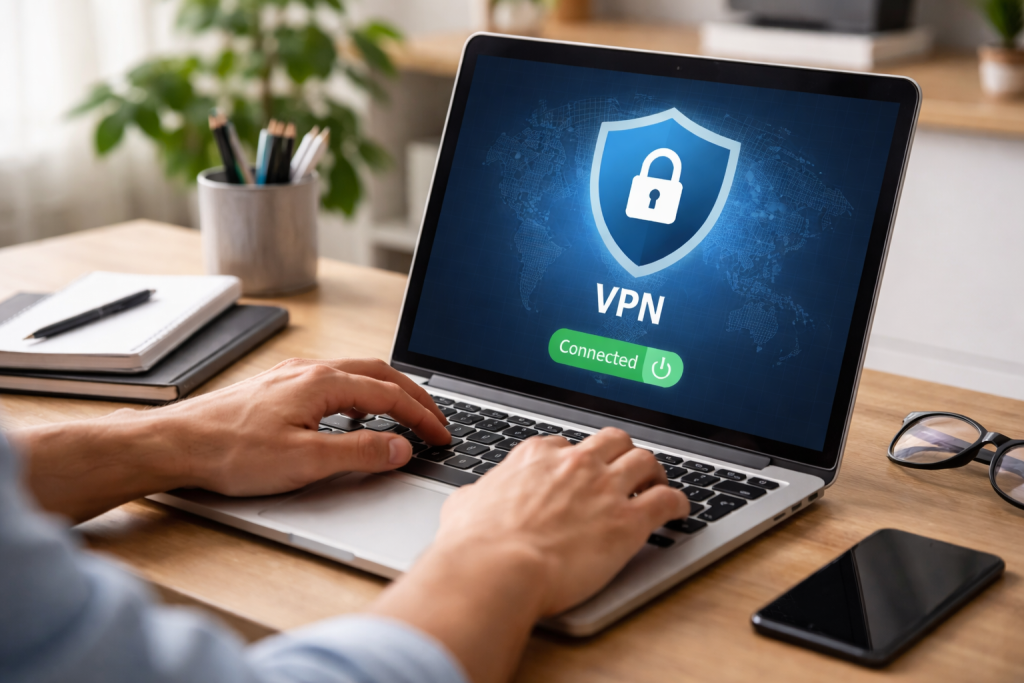
When you use the internet without a VPN, your device connects directly to your Internet Service Provider (ISP). Your ISP then routes your requests to websites and online services. Along this path, your data is visible to your ISP and potentially other entities monitoring the network.
When you connect to a VPN, your device establishes an encrypted tunnel to a VPN server. Everything you do online travels through this secure tunnel. The VPN server then connects to the internet on your behalf. This means that websites and online services see the IP address of the VPN server, not your own. Your ISP can still see that you are connected to a VPN server, but it cannot see the content of your internet traffic. It’s like seeing a car enter a tunnel; you know it’s there, but you don’t know what’s happening inside.
Contents
- 0.1 Encryption and Protocols
- 0.2 Server Network
- 0.3 Protecting Your Privacy
- 0.4 Enhancing Security
- 0.5 Bypassing Geo-Restrictions
- 0.6 VPNs Make You Anonymous
- 0.7 All VPNs Are the Same
- 0.8 VPNs Are Only for Illegal Activities
- 0.9 Key Features to Look For
- 0.10 Provider Reputation and Trust
- 0.11 Performance and Pricing
- 0.12 Quantum Computing and Encryption
- 0.13 Decentralized VPNs (dVPNs)
- 0.14 Integration with Other Security Measures
- 1 FAQs
- 1.1 1. What is a VPN and why should I care about it?
- 1.2 2. How does a VPN work to protect my online privacy?
- 1.3 3. What are the benefits of using a VPN for personal and business use?
- 1.4 4. How do I choose the right VPN service for my needs?
- 1.5 5. What are some common misconceptions about VPNs that have been debunked?
Encryption and Protocols
Data encryption is a core function of a VPN. Before your data leaves your device and enters the VPN tunnel, it is scrambled using cryptographic algorithms. This ensures that even if someone intercepts your data, they cannot read it without the decryption key. Common encryption standards include AES-256, which is widely considered secure.
VPN protocols define the rules and methods for establishing and maintaining the secure connection. Popular protocols include OpenVPN, WireGuard, and IKEv2/IPSec. Each protocol has its own characteristics regarding speed, security, and compatibility. OpenVPN is known for its security and flexibility, while WireGuard offers faster performance.
Server Network
VPN providers operate networks of servers located in various countries around the world. When you connect to a VPN, you choose a server location. This choice affects your virtual location and can be used to bypass geo-restrictions. If you connect to a server in Germany, for example, websites will perceive your internet traffic as originating from Germany.
In today’s digital landscape, much of our lives are conducted online. From banking and shopping to communication and entertainment, our data constantly moves across the internet. This ubiquity of online activity presents both convenience and risk. A VPN addresses several key areas of risk.
Protecting Your Privacy
Your online activities generate a digital footprint. Without a VPN, your ISP can track the websites you visit, the services you use, and potentially even your search queries. This data can be collected, analyzed, and even sold to advertisers. A VPN acts as a shield, obscuring your online actions from your ISP and other snoopers. It ensures that your browsing history and online behavior remain private. This is particularly important when connecting to public Wi-Fi networks, which are often unsecured and vulnerable to cyberattacks. Using a VPN on public Wi-Fi is like having a private conversation in a crowded room; you are protected from eavesdroppers.
Enhancing Security
Cyber threats are a constant concern. Public Wi-Fi networks, in particular, are susceptible to various attacks, such as “man-in-the-middle” attacks, where an attacker intercepts communication between two parties. By encrypting your data, a VPN makes it significantly harder for attackers to compromise your information. Even if an attacker gains access to the network, your encrypted data will be unintelligible to them. This enhanced security extends to protection against malware and phishing attempts, as some VPNs offer additional features to block malicious websites.
Bypassing Geo-Restrictions
Content and services are often restricted based on geographical location. Streaming services, for instance, may offer different content libraries in different countries due to licensing agreements. A VPN allows you to virtually change your location by routing your internet traffic through a server in a different country. This enables you to access content and services that might otherwise be unavailable in your actual location. This is often used for accessing international news or entertainment.
Despite their growing popularity, VPNs are often misunderstood. Addressing these misconceptions is crucial for informed use.
VPNs Make You Anonymous
While a VPN significantly enhances your privacy, it does not provide complete anonymity. Your internet activity is still traceable to some extent. Highly motivated adversaries with significant resources might still be able to identify you. A VPN hides your IP address from websites, but it does not prevent all forms of tracking, such as browser fingerprinting or cookies. Think of it as wearing a disguise: you look different, but your unique gait or voice might still give you away to someone who knows you well. True anonymity often requires a combination of tools and practices beyond just a VPN.
All VPNs Are the Same
The VPN market is diverse, with providers offering varying levels of service, features, and security. Some free VPNs, for example, may compromise your privacy by logging your data or selling your bandwidth to third parties. Others may have slow speeds or limited server networks. Paid VPNs generally offer better performance, stronger security, and a commitment to user privacy. Researching and choosing a reputable VPN provider is essential.
VPNs Are Only for Illegal Activities
This is a common and unfounded concern. While some individuals may use VPNs for illicit purposes, the vast majority use them for legitimate reasons, such as protecting their privacy, securing their data on public networks, or accessing geo-restricted content. The technology itself is neutral; its application determines its ethical implications. Using a VPN for privacy is no different than drawing the blinds in your home.
Selecting a VPN provider requires careful consideration. Your choice should align with your specific needs and priorities.
Key Features to Look For
Prioritize providers that offer strong encryption (e.g., AES-256), a strict no-logs policy, and a wide server network. A no-logs policy means the VPN provider does not record your online activities, thus preserving your privacy. Also, consider features like a kill switch, which automatically disconnects your internet if the VPN connection drops, preventing data leakage. Split tunneling, which allows you to route some traffic through the VPN and some directly to the internet, can also be useful for certain applications.
Provider Reputation and Trust
Research the provider’s history, user reviews, and independent security audits. A provider with a transparent privacy policy and a strong track record instills more confidence. Avoid providers that make outlandish claims or have unclear privacy practices. Think of it like choosing a doctor; you want someone with experience and a good reputation.
Performance and Pricing
Consider the speed and reliability of the VPN service. Some providers offer free trials or money-back guarantees, allowing you to test their service before committing. While free VPNs may seem appealing, they often come with compromises in terms of security and performance. Paid VPNs typically offer a better balance of features, speed, and privacy protection.
The internet continues to evolve, and so too does VPN technology. As threats become more sophisticated and internet regulations change, VPNs will adapt to maintain their relevance.
Quantum Computing and Encryption
The advent of quantum computing poses a potential challenge to current encryption standards. Researchers are already developing “post-quantum cryptography” to secure data against future quantum attacks. Future VPNs will likely incorporate these new encryption methods to remain secure.
Decentralized VPNs (dVPNs)
Decentralized VPNs represent a new approach to VPN technology. Instead of relying on centralized servers managed by a single provider, dVPNs distribute network traffic across a peer-to-peer network. This can potentially offer greater resilience against censorship and improve privacy by removing a single point of failure.
Integration with Other Security Measures
VPNs will likely integrate more seamlessly with other cybersecurity tools, such as antivirus software and identity theft protection services. This convergence will offer a more comprehensive security solution for users. As the digital world becomes more complex, layered security approaches will become standard.
In essence, a VPN is a fundamental tool for anyone who uses the internet. It provides a layer of security and privacy that is increasingly necessary in our interconnected world. Understanding its operation and benefits allows you to navigate the digital landscape with greater confidence and control over your personal data.
FAQs
1. What is a VPN and why should I care about it?
A VPN, or Virtual Private Network, is a technology that creates a secure and encrypted connection over a less secure network, such as the internet. You should care about VPNs because they provide privacy and security for your online activities, protect your data from hackers and surveillance, and allow you to access geo-restricted content.
2. How does a VPN work to protect my online privacy?
When you connect to a VPN, your internet traffic is routed through an encrypted tunnel to a remote server operated by the VPN service. This means that your IP address is masked, your data is encrypted, and your online activities are shielded from prying eyes, such as hackers, ISPs, and government surveillance.
3. What are the benefits of using a VPN for personal and business use?
For personal use, a VPN can provide privacy and security while browsing the internet, access to geo-restricted content, and protection on public Wi-Fi networks. For businesses, VPNs can secure remote access for employees, protect sensitive data, and enable secure communication between offices.
4. How do I choose the right VPN service for my needs?
When choosing a VPN service, consider factors such as the level of encryption and security protocols offered, the number and location of servers, the logging policy, the speed and reliability of the connection, and the compatibility with your devices and operating systems.
5. What are some common misconceptions about VPNs that have been debunked?
Some common misconceptions about VPNs include the belief that they slow down internet speed (modern VPNs can actually improve speed), that they are only for tech-savvy users (many VPN services are user-friendly), and that they are illegal to use (VPNs are legal in most countries).

At SecureByteHub, we are passionate about simplifying cybersecurity and technology for everyone. Our goal is to provide practical, easy-to-understand guides that help individuals, students, and small businesses stay safe in the digital world. From online security tips to the latest tech insights, we aim to empower our readers with knowledge they can trust