The Top Cybersecurity Risks Facing Small Businesses and How to Mitigate Them
Small businesses, like larger enterprises, face a growing array of cybersecurity threats. While often perceived as less attractive targets than corporations, their limited in-house security resources and often less robust defences make them vulnerable. Cyberattacks can lead to data breaches, financial losses, operational disruptions, and reputational damage. Understanding the landscape of these risks and implementing effective mitigation strategies is essential for a business’s continued operation.
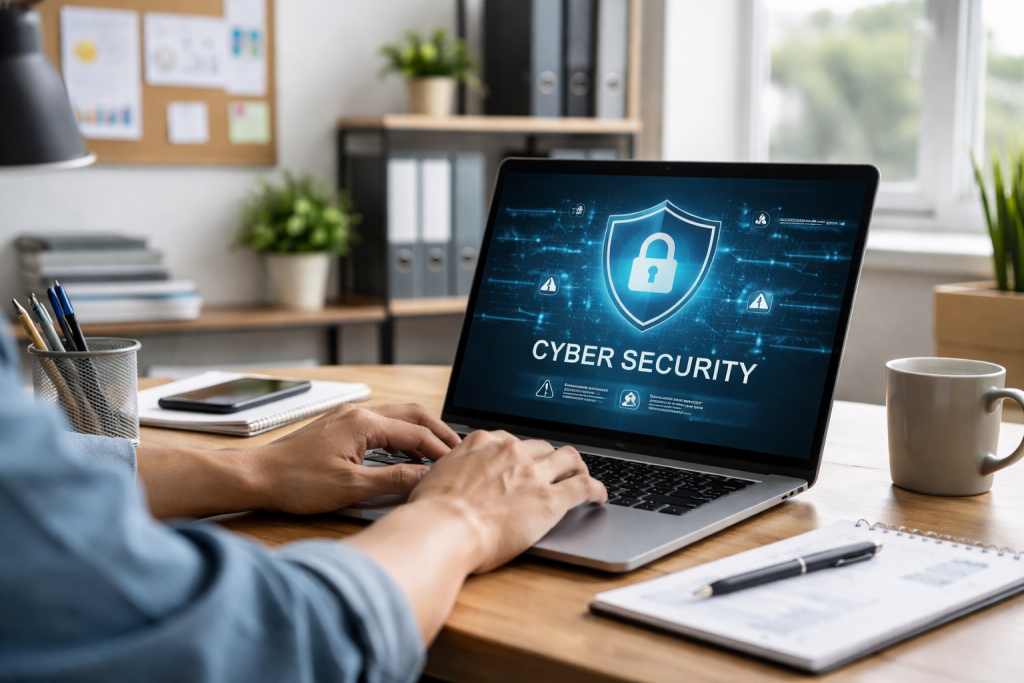
Small businesses operate within a unique cybersecurity landscape. They often lack dedicated IT security teams, have smaller budgets for security tools, and employees may have less awareness of cybersecurity best practices. This combination creates a situation where businesses are often under-protected while still holding valuable data, such as customer information, financial records, and proprietary business processes. Attackers view small businesses as potential entry points into larger supply chains or as easier targets for direct financial gain. The concept of “low-hanging fruit” applies here; attackers often opt for the path of least resistance.
Contents
- 0.1 Common Misconceptions
- 0.2 Regulatory Considerations
- 0.3 Phishing and Social Engineering
- 0.4 Malware, Ransomware, and Viruses
- 0.5 Brute-Force and Credential Stuffing Attacks
- 0.6 Insider Threats
- 0.7 Unsecured Remote Access and IoT Devices
- 0.8 Protecting Reputation and Customer Trust
- 0.9 Financial and Legal Consequences
- 0.10 Ensuring Business Continuity
- 0.11 Risk Assessment and Management
- 0.12 Data Backup and Recovery Plan
- 0.13 Strong Password Policies and Multi-Factor Authentication
- 0.14 Network Security Controls
- 0.15 Endpoint Protection
- 0.16 Regular Software Updates and Patch Management
- 0.17 Access Control and Least Privilege
- 0.18 Incident Response Plan Development
- 0.19 Cybersecurity Awareness Training
- 0.20 Recognizing and Reporting Phishing Attempts
- 0.21 Secure Data Handling and Privacy Practices
- 0.22 Managed Security Service Providers (MSSPs)
- 0.23 Cloud Security Solutions
- 0.24 Security Information and Event Management (SIEM)
- 1 FAQs
- 1.1 1. What are the common cybersecurity threats faced by small businesses?
- 1.2 2. Why is cybersecurity important for small businesses?
- 1.3 3. What are some strategies to mitigate cybersecurity risks for small businesses?
- 1.4 4. How can small businesses leverage technology to enhance cybersecurity?
- 1.5 5. What is the role of employee training in cybersecurity risk mitigation for small businesses?
Common Misconceptions
One common misconception is that small businesses are too insignificant to be targeted. This is demonstrably false. Cybercriminals are opportunistic and often cast a wide net, exploiting vulnerabilities wherever they find them. Another misconception is that off-the-shelf antivirus software provides complete protection. While necessary, it is merely one layer of a multi-layered defense.
Regulatory Considerations
Even small businesses may fall under various regulatory frameworks requiring data protection, such as the General Data Protection Regulation (GDPR) if they process data of EU citizens, or state-specific privacy laws. Non-compliance can result in significant fines and legal issues, underscoring the importance of understanding and addressing cybersecurity as a business imperative, not just an IT concern.
Small businesses encounter a range of threats, each with its own methodology and potential impact. Awareness of these common attack vectors allows for targeted defense strategies.
Phishing and Social Engineering
Phishing remains a prevalent and highly effective attack method. This involves cybercriminals attempting to trick individuals into divulging sensitive information, clicking malicious links, or downloading infected attachments. Phishing emails often mimic legitimate sources, such as banks, government agencies, or well-known service providers. Spear phishing targets specific individuals with tailored messages, increasing their likelihood of success.
Social engineering, a broader category, manipulates individuals into performing actions or divulging confidential information. This can involve phone calls, in-person interactions, or online communication designed to exploit human trust and psychological weaknesses. For instance, a pretexting attack might involve an attacker posing as an IT support technician to gain access credentials.
Malware, Ransomware, and Viruses
‘Malware’ is a blanket term for malicious software designed to disrupt, damage, or gain unauthorised access to computer systems. This includes viruses, which attach themselves to legitimate programs; worms, which self-replicate and spread across networks; and Trojans, which disguise themselves as legitimate software.
Ransomware is a particularly damaging form of malware that encrypts a victim’s files or locks them out of their systems, demanding a ransom payment, often in cryptocurrency, for their release. Small businesses are frequently targeted by ransomware due to their often-weaker defences and perceived willingness to pay to recover critical data quickly. The impact of ransomware can be devastating, leading to significant downtime and potential data loss even if the ransom is paid.
Brute-Force and Credential Stuffing Attacks
Brute-force attacks involve an attacker systematically trying every possible combination of characters until they correctly guess a password. This is resource-intensive but can be effective against weak or short passwords. Credential stuffing, a related attack, involves leveraging lists of stolen usernames and passwords from previous data breaches to try and log into other services. Given that many users reuse passwords across multiple accounts, this method can be highly successful. Once attackers gain access, they can exfiltrate data, deploy malware, or launch further attacks.
Insider Threats
While external threats often dominate headlines, insider threats posed by current or former employees, contractors, or business partners can be equally damaging. These can be malicious, where an individual intentionally causes harm, or accidental, due to negligence or lack of awareness. Malicious insiders may steal data, sabotage systems, or leak confidential information. Accidental insiders might inadvertently fall for phishing scams or mishandle sensitive data, creating security vulnerabilities through carelessness.
Unsecured Remote Access and IoT Devices
The increased adoption of remote work has broadened the attack surface for many small businesses. Unsecured remote access protocols, such as poorly configured Virtual Private Networks (VPNs) or Remote Desktop Protocol (RDP) connections without strong authentication, provide direct entry points for attackers. Similarly, the growing number of Internet of Things (IoT) devices, from smart cameras to networked printers, often come with default or weak security settings, presenting additional vulnerabilities if not properly secured and managed.
Ignoring cybersecurity is no longer an option. It is a fundamental operational necessity rather than an optional expense. Proactive measures can prevent financial ruin, maintain customer trust, and ensure business continuity. Think of cybersecurity as insurance for your digital assets; you hope you never need it, but you are thankful for it if a disaster strikes.
Protecting Reputation and Customer Trust
A data breach can severely damage a small business’s reputation, which is often built on trust and personal relationships. Customers may lose confidence in a business’s ability to protect their information, leading to customer churn and difficulty attracting new clients. Rebuilding trust after a breach is a long and arduous process, sometimes impossible.
Financial and Legal Consequences
The financial repercussions of a cyberattack extend beyond direct monetary loss. They include the costs of incident response, data recovery, legal fees, regulatory fines, and potential lawsuits from affected individuals. Business downtime itself results in lost revenue. For many small businesses, these combined costs can be prohibitive and lead to insolvency.
Ensuring Business Continuity
Cyberattacks can disrupt normal business operations, causing significant downtime. Ransomware, for instance, can render systems unusable for days or weeks. Without access to critical data and systems, a business cannot function, leading to missed deadlines, unfulfilled orders, and a general cessation of services. Effective cybersecurity measures ensure that disruptions are minimized and recovery is swift.
Mitigating cybersecurity risks requires a multi-faceted approach that addresses technology, processes, and people. It is akin to building a fortress; you need strong walls, secure gates, and vigilant guards.
Risk Assessment and Management
The first step is to conduct a thorough risk assessment to identify what assets are most valuable, what threats they face, and what vulnerabilities exist. This assessment helps prioritise security investments and allocate resources effectively. Risk management then involves implementing controls to reduce identified risks to an acceptable level and continuously monitoring their effectiveness.
Data Backup and Recovery Plan
Regular, secure backups of all critical data are non-negotiable. These backups should be stored off-site and/or offline to protect them from ransomware and other localised disasters. A robust disaster recovery plan outlining steps to restore data and systems after an attack is equally important. Testing this plan periodically ensures its effectiveness when needed.
Strong Password Policies and Multi-Factor Authentication
Implementing and enforcing strong password policies is a foundational security measure. Passwords should be long, complex, unique, and changed regularly. Even more critical is the adoption of multi-factor authentication (MFA) or two-factor authentication (2FA) for all accounts, especially those with access to sensitive data or systems. MFA adds an extra layer of security by requiring a second form of verification, such as a code from a mobile app or a physical token, making it significantly harder for attackers to gain access even if they steal a password.
Network Security Controls
Robust network security includes firewalls to control incoming and outgoing network traffic, intrusion detection/prevention systems (IDS/IPS) to monitor for malicious activity, and secure Wi-Fi networks. Network segmentation, which divides a network into smaller, isolated sections, can limit the lateral movement of attackers if a breach occurs in one segment.
Endpoint Protection
All devices connected to the network, including desktops, laptops, servers, and mobile devices, are endpoints that require protection. This includes up-to-date antivirus and anti-malware software, regular patching and updates for operating systems and applications, and host-based firewalls. Endpoint Detection and Response (EDR) solutions offer more advanced threat detection and response capabilities compared to traditional antivirus.
Effective implementation goes beyond simply purchasing security software. It involves integrating security into daily operations and fostering a security-aware culture.
Regular Software Updates and Patch Management
Software vulnerabilities are frequently discovered and exploited by attackers. Therefore, regularly updating all operating systems, applications, and firmware with the latest security patches is critical. Automated patch management systems can help ensure that updates are applied consistently and promptly across all devices.
Access Control and Least Privilege
Implementing strict access control means granting users only the minimum level of access necessary for them to perform their job functions. This “principle of least privilege” limits the damage an attacker can do if they compromise a user account. Regular reviews of user access rights are also important, particularly when employees change roles or leave the company.
Incident Response Plan Development
Despite best efforts, a cyberattack may still occur. Having a well-defined incident response plan is crucial for managing the aftermath. This plan should outline steps for identifying, containing, eradicating, recovering from, and learning from security incidents. It should also include communication strategies for customers, employees, and relevant authorities.
Employees are often the first and last line of defense against cyberattacks. Their actions, or inactions, can either prevent an attack or open the door for one. Investing in employee training is one of the most cost-effective cybersecurity investments a small business can make.
Cybersecurity Awareness Training
Regular cybersecurity awareness training educates employees about common threats like phishing, social engineering, and malware. It teaches them how to identify suspicious emails, recognise malicious links, and understand the importance of strong passwords. Training should be ongoing, using practical examples and simulations to reinforce learning and keep employees informed about new threats.
Recognizing and Reporting Phishing Attempts
Employees must be trained specifically on how to recognise phishing attempts and, crucially, how to report them to the appropriate person or department. Creating a clear reporting mechanism encourages employees to report suspicious activity without fear of repercussions, allowing the business to investigate and respond swiftly.
Secure Data Handling and Privacy Practices
Training should also cover secure data handling practices, including how to store, transmit, and dispose of sensitive information. Employees need to understand their responsibilities regarding data privacy and the importance of complying with relevant data protection regulations. This includes not leaving sensitive documents unattended, encrypting files when necessary, and using secure communication channels.
While employee training and robust processes are vital, technology provides the tools to enforce policies and detect threats at scale.
Managed Security Service Providers (MSSPs)
For small businesses lacking in-house cybersecurity expertise, leveraging a Managed Security Service Provider (MSSP) can be a cost-effective solution. MSSPs offer a range of services, including 24/7 monitoring, threat detection, incident response, and vulnerability management. This allows small businesses to access advanced security capabilities without the overhead of building their own security team.
Cloud Security Solutions
Many small businesses utilise cloud services for data storage, applications, and infrastructure. Cloud providers offer robust security features, but users are responsible for configuring them correctly (the shared responsibility model). Implementing cloud security solutions, such as Cloud Access Security Brokers (CASBs) or robust cloud-native security tools, helps ensure data and applications in the cloud are protected.
Security Information and Event Management (SIEM)
A Security Information and Event Management (SIEM) system collects security logs and event data from various sources across the network, such as firewalls, servers, and applications. It then analyzes this data for potential security incidents, providing real-time alerting and reporting. While traditional SIEMs can be complex and expensive, newer, cloud-based SIEM solutions are becoming more accessible for small businesses. These tools act as a central nervous system for your security posture, correlating events to identify patterns that might indicate an attack.
FAQs
1. What are the common cybersecurity threats faced by small businesses?
Small businesses often face common cybersecurity threats such as phishing attacks, ransomware, malware, and social engineering. These threats can lead to data breaches, financial loss, and damage to the business’s reputation.
2. Why is cybersecurity important for small businesses?
Cybersecurity is important for small businesses because they are often targeted by cybercriminals due to their perceived vulnerability. A successful cyberattack can have devastating consequences for a small business, including financial loss, legal liabilities, and loss of customer trust.
3. What are some strategies to mitigate cybersecurity risks for small businesses?
Some strategies to mitigate cybersecurity risks for small businesses include implementing strong password policies, regularly updating software and systems, conducting regular security audits, and providing employee training on cybersecurity best practices.
4. How can small businesses leverage technology to enhance cybersecurity?
Small businesses can leverage technology to enhance cybersecurity by implementing firewalls, antivirus software, encryption, multi-factor authentication, and secure cloud storage solutions. Additionally, using cybersecurity tools and services can help small businesses detect and respond to potential threats.
5. What is the role of employee training in cybersecurity risk mitigation for small businesses?
Employee training plays a crucial role in cybersecurity risk mitigation for small businesses. By educating employees about cybersecurity best practices, how to identify potential threats, and how to respond to security incidents, small businesses can significantly reduce their vulnerability to cyberattacks.

At SecureByteHub, we are passionate about simplifying cybersecurity and technology for everyone. Our goal is to provide practical, easy-to-understand guides that help individuals, students, and small businesses stay safe in the digital world. From online security tips to the latest tech insights, we aim to empower our readers with knowledge they can trust