The Importance of Online Privacy: Tips for Protecting Your Personal Data
Online privacy is essential in the digital age. It refers to the level of privacy protection an individual has while connected to the internet. This includes control over personal data shared online and protection against unauthorized access or use of that data. Understanding online privacy involves recognizing inherent risks and adopting practices to mitigate them.
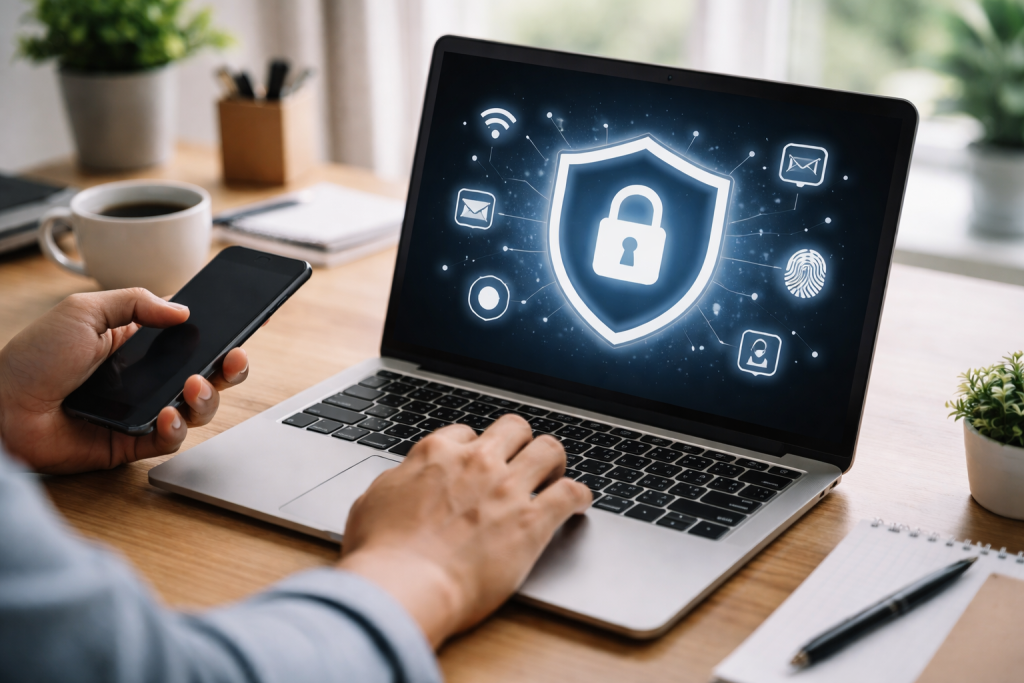
Your personal data is valuable. It includes information like your name, address, email, phone number, financial details, and browsing history. This data forms the digital representation of yourself. Protecting it is not just about keeping secrets; it’s about maintaining control over your identity and autonomy online. Without adequate privacy, this data can be exploited, leading to a range of issues from targeted advertising to identity theft. Think of your online data as droplets of water in a vast ocean; each droplet may seem insignificant, but collectively they form a powerful current that can be directed for good or ill.
Contents
- 0.1 Why Data Protection Matters
- 0.2 The Value of Your Digital Footprint
- 0.3 Identity Theft and Financial Fraud
- 0.4 Targeted Scams and Phishing
- 0.5 Reputational Damage and Discrimination
- 0.6 Loss of Autonomy and Control
- 0.7 Strong Password Management
- 0.8 Two-Factor Authentication (2FA)
- 0.9 Mindful Information Sharing
- 0.10 Regular Software Updates
- 0.11 Secure Network Usage
- 0.12 Active vs. Passive Footprints
- 0.13 Shaping Your Online Identity
- 0.14 Reviewing App Permissions
- 0.15 Adjusting Social Media Privacy Settings
- 0.16 Browser Privacy Enhancements
- 0.17 Encrypting Your Devices
- 0.18 Privacy Laws and Regulations
- 0.19 Data Ethics and Corporate Responsibility
- 0.20 Individual Rights and Freedoms
- 0.21 Understanding Platform Data Collection
- 0.22 Managing Your Public Profile
- 0.23 Limiting Third-Party App Access
- 0.24 Continuous Learning
- 0.25 Spreading Awareness
- 0.26 Advocating for Stronger Protections
- 1 FAQs
- 1.1 1. What are the risks of online privacy breaches? Online privacy breaches can lead to identity theft, financial fraud, reputation damage, and exposure of sensitive personal information. Hackers and cybercriminals can use this information for malicious purposes, causing significant harm to individuals and businesses.
- 1.2 2. How can I protect my personal data online? To protect your personal data online, you can use strong, unique passwords, enable two-factor authentication, avoid sharing sensitive information on public Wi-Fi networks, regularly update your software and devices, and use reputable security software and tools.
- 1.3 3. What is the impact of online privacy on my digital footprint? Online privacy directly impacts your digital footprint, which refers to the trail of data you leave behind while using the internet. Your digital footprint can affect your online reputation, influence your opportunities for employment or education, and impact your personal and professional relationships.
- 1.4 4. What are some best practices for online privacy protection? Some best practices for online privacy protection include being cautious about the information you share online, reviewing and adjusting your privacy settings on social media platforms, being mindful of the websites and apps you use, and staying informed about the latest privacy threats and security measures.
- 1.5 5. What are the legal and ethical considerations of online privacy? The legal and ethical considerations of online privacy involve complying with data protection laws, respecting individuals’ rights to privacy, obtaining consent for data collection and processing, and being transparent about how personal data is used and shared. It is important to uphold ethical standards and respect privacy rights in the digital environment.
Why Data Protection Matters
Data protection guarantees the responsible handling of your personal information. When companies collect your data, they become custodians of a part of your digital self. Responsible custodianship means they store it securely, use it only for stated purposes, and do not share it without consent. Breaking this trust can have significant consequences.
The Value of Your Digital Footprint
Every action you take online leaves a digital footprint. This footprint includes websites visited, content consumed, purchases made, and interactions on social media. This data builds a profile of your interests, habits, and preferences. Businesses can leverage this profile to enhance their targeted marketing efforts. For individuals, however, an uncontrolled digital footprint can lead to privacy erosion.
Online privacy breaches occur when unauthorized individuals gain access to your personal data. These breaches can stem from various sources, including cyberattacks, careless data handling by organizations, or individual negligence. The dangers associated with these breaches are substantial and diverse.
Identity Theft and Financial Fraud
One of the most severe consequences of a privacy breach is identity theft. If criminals obtain your personal identifiers, they can open accounts in your name, apply for loans, or make fraudulent purchases. This can severely damage your credit rating and lead to significant financial loss and hardship. Financial fraud similarly exploits stolen data, directly targeting your bank accounts or credit cards. The ripple effects of identity theft can last for years, requiring considerable effort to resolve.
Targeted Scams and Phishing
Data breaches often provide criminals with information that makes their scams more effective. If they know your purchase history or personal details, they can craft highly convincing phishing emails or messages. These well-crafted attacks, sometimes called spear-phishing, increase the likelihood that you will click malicious links or divulge further sensitive information, expanding the damage.
Reputational Damage and Discrimination
Information exposed in a breach, even if old or taken out of context, can lead to reputational damage. This is particularly true if the data reveals sensitive personal details that you preferred to keep private. In some cases, exposed data can even lead to discrimination, for example, if health information is leaked and used against you in employment or insurance contexts. Your online persona, once exposed, can be difficult to retract or redefine.
Loss of Autonomy and Control
Beyond direct harm, privacy breaches fundamentally undermine your autonomy. When your data is exposed, you lose control over who sees it and how it is used. This loss of control can be a source of significant distress and can lead to a feeling of vulnerability in your online activities.
Proactive measures are required to protect personal data online. Adopting best practices can significantly reduce your vulnerability to privacy breaches and enhance your control over your digital footprint. These practices act as a shield against potential threats, transforming your online presence from an exposed canvas to a fortified dwelling.
Strong Password Management
The cornerstone of online security is strong, unique passwords. Avoid using easily guessed information, like birthdays or common words. Instead, create complex passwords using a combination of uppercase and lowercase letters, numbers, and symbols. A password manager can help you generate and store these complex passwords securely, eliminating the need to remember them all. Avoid reusing passwords across multiple accounts, as the compromise of one account puts all others at risk. Think of each password as a unique key for a unique lock.
Two-Factor Authentication (2FA)
Enable two-factor authentication whenever possible. This adds an extra layer of security beyond just a password. Typically, after entering your password, a second code is sent to your phone or generated by an authenticator app. Even if a cybercriminal obtains your password, they cannot access your account without this second factor. This makes unauthorized access significantly more difficult.
Mindful Information Sharing
Consider the information you share online. Before posting, ask yourself if the information is truly necessary to share with the public or with a specific platform. Be cautious about sharing personal details, travel plans, or sensitive opinions. Each piece of information shared adds to your digital footprint and potentially to the data available to third parties.
Regular Software Updates
Keep your operating system, web browser, and all applications updated. Software updates often include security patches that fix vulnerabilities exploited by cybercriminals. Ignoring updates leaves your systems open to known threats, like leaving a door ajar for intruders.
Secure Network Usage
Be cautious when using public Wi-Fi networks. These networks are often unsecured, making it easier for others to intercept your data. Use a Virtual Private Network (VPN) when connecting to public networks to encrypt your internet traffic and protect your privacy. Avoid conducting sensitive transactions like online banking on public Wi-Fi.
Your digital footprint is the trail of data you leave behind as you use the internet. It is an evolving record of your online activities and interactions. Online privacy practices directly influence the size and nature of this footprint. A smaller, more controlled footprint indicates better privacy.
Active vs. Passive Footprints
Your digital footprint has two components: active and passive. An active footprint is data you intentionally share, such as social media posts or online comments. A passive footprint is data collected without your direct action, like browsing history, IP addresses, and location data gathered by websites and apps. Good privacy practices focus on managing both. Controlling your active footprint means thoughtful sharing; managing your passive footprint involves using privacy settings and tools.
Shaping Your Online Identity
The information in your digital footprint contributes to your online identity. This identity can be used by employers, academic institutions, and even insurance companies to form an impression of you. Maintaining strong online privacy allows you to shape this identity intentionally, ensuring that the portrayal is accurate and reflects how you wish to be perceived. A scattered, uncontrolled footprint can lead to misinterpretations or unwanted exposure.
Modern digital platforms and operating systems offer a range of privacy settings and security measures designed to give you more control over your data. Utilizing these tools is a crucial step in safeguarding your online information. These settings are the levers and dials that allow you to fine-tune your digital exposure.
Reviewing App Permissions
When you install a new app, it often requests permissions to access various parts of your device, such as your camera, microphone, contacts, or location. Always review these permissions carefully. Grant access only for what is necessary for the app to function. An app that edits photos likely needs camera access but not necessarily access to your microphone or contacts. Restrict excessive permissions to limit data collection.
Adjusting Social Media Privacy Settings
Social media platforms allow you to control who sees your posts, profile information, and even your friends list. Take the time to navigate through the privacy settings on each platform you use. Understand how to limit sharing with the public, restrict unwanted tagging, and control the visibility of past posts. Regularly review these settings, as platforms often update their features and default privacy levels. Your social media profile is often the public window to your life; control what that window reveals.
Browser Privacy Enhancements
Web browsers offer various privacy features. These include blocking third-party cookies, tracking protection, and “Do Not Track” requests. While “Do Not Track” is not universally honored by websites, enabling it and blocking third-party cookies can reduce the amount of data collected about your browsing habits by advertisers. Consider using privacy-focused browsers or browser extensions that enhance tracking protection.
Encrypting Your Devices
Encrypting your computer and mobile devices adds a layer of security. If your device is lost or stolen, encryption makes it significantly harder for unauthorized individuals to access your data, even if they bypass login passwords. Most modern operating systems offer built-in encryption options.
Online privacy is not just a technical issue; it also involves significant legal and ethical dimensions. Laws and ethical frameworks attempt to define the boundaries of data collection, use, and protection, reflecting societal values regarding individual rights in the digital sphere.
Privacy Laws and Regulations
Various jurisdictions have enacted laws to protect online privacy. Examples include the General Data Protection Regulation (GDPR) in the European Union and the California Consumer Privacy Act (CCPA) in the United States. These laws grant individuals rights over their data, including the right to access, rectify, and erase personal information, and impose obligations on organizations regarding data handling practices. Compliance with these laws is critical for businesses that collect or process personal data.
Data Ethics and Corporate Responsibility
Beyond legal requirements, there are ethical considerations for how organizations handle personal data. Companies have a moral responsibility to protect user data, be transparent about their data practices, and use data ethically. This includes not exploiting vulnerabilities, avoiding manipulative data practices, and prioritizing user privacy over profit. Ignoring data ethics can lead to public mistrust and reputational damage.
Individual Rights and Freedoms
At its core, online privacy is about individual rights and freedoms in the digital realm. The ability to control personal information is linked to freedom of expression, association, and thought. When privacy is eroded, these fundamental rights can also be compromised, leading to self-censorship or a chilling effect on online discourse.
Social media platforms are central to many people’s online lives, and their impact on privacy is significant. While offering connection, they also present unique challenges to maintaining online privacy.
Understanding Platform Data Collection
Social media platforms collect extensive amounts of data about their users, including posts, interactions, location data, and even data from other websites visited. Understanding what data a platform collects and how it uses that data is the first step in managing your privacy on these sites. Review their terms of service and privacy policies, though these documents can be lengthy.
Managing Your Public Profile
What you share on social media is often visible to a wider audience than you intend. Carefully curate your public profile. Avoid sharing sensitive personal information, such as your home address, birthdate, or details that could be used for security questions. If you choose to share such information, ensure your privacy settings are configured to restrict its visibility to trusted connections only.
Limiting Third-Party App Access
Many social media platforms allow third-party applications to integrate with your accounts, offering quizzes, games, or other functionalities. These apps often request extensive permissions to access your data. Review and limit the access granted to these third-party applications. Periodically check your account settings to revoke access for apps you no longer use or trust. Each app connecting to your profile is another potential leak in your data bucket.
A critical component of robust online privacy protection is continuous education. The digital landscape evolves rapidly, as do the threats. Staying informed and informing others builds a stronger collective defense.
Continuous Learning
Regularly engage with reliable sources of information on online security and privacy. Follow technology news outlets, cybersecurity blogs, and reputable organizations that focus on digital rights. Understanding new threats, best practices, and the functionalities of various privacy tools empowers you to adjust your strategies.
Spreading Awareness
Share your knowledge with family, friends, and colleagues. Many individuals are not fully aware of the risks to their online privacy or the steps they can take to protect themselves. By openly discussing these issues, you contribute to a more privacy-aware community. Demonstrate practical steps, such as setting strong passwords or adjusting social media settings.
Advocating for Stronger Protections
Beyond individual actions, advocate for stronger privacy protections from technology companies and governments. Support organizations that champion digital rights and privacy legislation. Collective action can drive significant change in how personal data is handled at a broader level. Your voice, combined with others, can influence the design of future digital environments.
FAQs
1. What are the risks of online privacy breaches? Online privacy breaches can lead to identity theft, financial fraud, reputation damage, and exposure of sensitive personal information. Hackers and cybercriminals can use this information for malicious purposes, causing significant harm to individuals and businesses.
2. How can I protect my personal data online? To protect your personal data online, you can use strong, unique passwords, enable two-factor authentication, avoid sharing sensitive information on public Wi-Fi networks, regularly update your software and devices, and use reputable security software and tools.
3. What is the impact of online privacy on my digital footprint? Online privacy directly impacts your digital footprint, which refers to the trail of data you leave behind while using the internet. Your digital footprint can affect your online reputation, influence your opportunities for employment or education, and impact your personal and professional relationships.

At SecureByteHub, we are passionate about simplifying cybersecurity and technology for everyone. Our goal is to provide practical, easy-to-understand guides that help individuals, students, and small businesses stay safe in the digital world. From online security tips to the latest tech insights, we aim to empower our readers with knowledge they can trust