
Protecting Your Privacy: How Secure Messaging Apps Can Keep Your Information Safe
In the digital age, personal information is a valuable commodity. We can track, analyze, and, in some cases, exploit the digital footprint we leave behind when we communicate, share, and interact online. Protecting this information is not just about keeping secrets; it’s about maintaining control over our personal lives and safeguarding against potential harm. When you send a message, you’re not just transmitting words; you’re transmitting a piece of yourself. Unsecured channels are like sending that piece of yourself through an open postcard, visible to anyone who handles it. This scenario is where secure messaging apps become essential tools. They act as digital couriers, delivering your messages in locked boxes, ensuring only the intended recipient can open them.
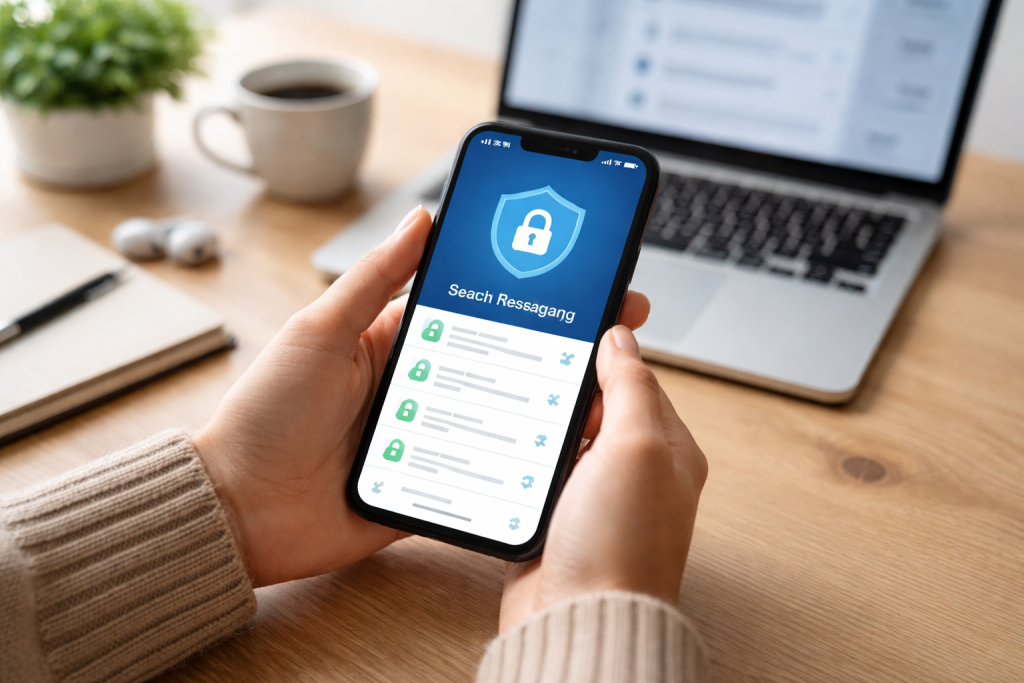
The Risks of Unsecure Messaging Apps
Unsecured messaging apps operate on the principle of sending data in plain text or with weak encryption. This makes your conversations, and any information contained within them, vulnerable to interception. Imagine your messages as unencrypted phone calls; anyone with the right equipment can listen in. This vulnerability can lead to several significant risks:
Contents
- 0.1 Data Breaches and Interception
- 0.2 Identity Theft and Fraud
- 0.3 Surveillance and Monitoring
- 0.4 Reputational Damage
- 0.5 End-to-End Encryption (E2EE)
- 0.6 Encryption Protocols
- 0.7 Metadata Protection
- 0.8 Open Source and Auditing
- 0.9 Strong End-to-End Encryption
- 0.10 Open Source Code
- 0.11 Minimal Data Collection
- 0.12 Disappearing Messages
- 0.13 Verified Contact Identity
- 0.14 Secure Group Chats
- 0.15 Audit Trails and Transparency Reports
- 0.16 Assess Your Needs
- 0.17 Research App Security Policies
- 0.18 Consider User Experience
- 0.19 Check for Platform Compatibility
- 0.20 Read Independent Reviews and Expert Opinions
- 0.21 Enable All Security Features
- 0.22 Verify Contact Identities
- 0.23 Be Mindful of What You Share
- 0.24 Update Your App Regularly
- 0.25 Secure Your Device
- 0.26 Post-Quantum Cryptography
- 0.27 Decentralized Messaging Systems
- 0.28 Enhanced Anonymity Features
- 0.29 Federated Messaging Protocols
- 1 FAQs
- 1.1 What are secure messaging apps, and how do they work to keep your information safe?
- 1.2 What are the risks of using unsecure messaging apps?
- 1.3 What features should I look for in a secure messaging app?
- 1.4 What are some best practices for using secure messaging apps?
- 1.5 What advancements can we expect in the future of secure messaging technology?
Data Breaches and Interception
Without strong encryption, your messages can be intercepted by malicious actors. This could be through a man-in-the-middle attack, where an attacker positions themselves between you and the recipient, reading and potentially altering messages. Network vulnerabilities, such as unsecured Wi-Fi, also present opportunities for interception. Once intercepted, this data can be used for various nefarious purposes.
Identity Theft and Fraud
Your conversations often contain personal details that can be pieced together by criminals. This includes names, addresses, financial information, and even sensitive personal stories. Armed with this information, attackers can commit identity theft, open fraudulent accounts in your name, or engage in phishing scams designed to extract more sensitive data. This is akin to leaving your wallet unattended in a public place; it’s an open invitation for someone to take what they please.
Surveillance and Monitoring
Governments and other organizations may have legal or illicit means to access data from unsecure platforms. While some surveillance is for public safety, it can also be used to monitor individuals without their knowledge or consent, infringing on fundamental privacy rights. This can create a chilling effect on free speech and open expression, as individuals may self-censor for fear of being monitored.
Reputational Damage
Leaked private conversations can be taken out of context and used to damage an individual’s reputation. This can affect personal relationships, professional standing, and public image. Embarrassing or private details, amplified through leaks, can have long-lasting consequences.
How Secure Messaging Apps Work to Keep Your Information Safe
The core mechanism that makes secure messaging apps protective is end-to-end encryption (E2EE). This is a form of encryption where only you and the person you are communicating with can read what is sent. It’s like having a unique, unbreakable code that only the two of you possess.
End-to-End Encryption (E2EE)
With E2EE, messages are encrypted on the sender’s device and can only be decrypted by the intended recipient’s device. The messaging app provider, or any third party, cannot access or read the content of these messages. This is because the encryption keys are held solely by the end-users’ devices. Think of it as a sealed envelope that is locked at the sender’s end and only the recipient has the key to unlock it. The journey of the message through the postal service (the internet) is public, but the contents remain hidden.
Encryption Protocols
Secure messaging apps utilize robust encryption protocols to scramble the data. Common protocols include the Signal Protocol and advanced versions of TLS/SSL. These protocols are designed to withstand sophisticated cryptanalytic attacks, ensuring that even if a message is intercepted, it remains unreadable. The strength of these protocols is constantly reviewed and updated by security experts.
Metadata Protection
Beyond message content, secure apps also aim to protect metadata. Metadata refers to information about your communication, such as who you messaged, when, and for how long. While E2EE protects the content, some metadata can still be exposed on unsecure platforms. More advanced secure apps take steps to minimize the collection and storage of this information, further enhancing privacy.
Open Source and Auditing
Many reputable secure messaging apps are open-source. This means their code is publicly available for anyone to inspect. Security researchers can scrutinize the code for vulnerabilities, allowing for prompt identification and patching of any weaknesses. This transparency builds trust and accountability.
Features to Look for in a Secure Messaging App
When evaluating a secure messaging app, several features contribute to its effectiveness in protecting user privacy. These are the pillars that support the wall around your digital conversations.
Strong End-to-End Encryption
This is the foundational feature. Verify that the app explicitly states it uses end-to-end encryption for all communications (messages, calls, and file sharing). Look for information about the specific encryption protocols used, such as the Signal Protocol, which is widely regarded as a gold standard.
Open Source Code
As mentioned, open-source availability allows for public scrutiny of the app’s security. This transparency is a good indicator of a commitment to user privacy.
Minimal Data Collection
The less data an app collects about its users, the less there is to be exposed in a breach. Look for apps that minimize the collection of personal information, usage logs, and metadata. Some apps operate with very little identifiable data associated with user accounts.
Disappearing Messages
This feature allows messages to automatically delete themselves after a set period. While not foolproof (screenshots can be taken), it adds an extra layer of control over the longevity of your conversations and helps reduce the long-term digital trail.
Verified Contact Identity
Some secure apps offer ways to verify the identity of your contacts, ensuring you are communicating with the intended person and not an imposter. This can be through unique security codes or QR codes.
Secure Group Chats
Ensure that group chat functionalities also employ end-to-end encryption. The security of a group chat should not be compromised just because multiple people are involved.
Audit Trails and Transparency Reports
Reputable apps may provide transparency reports detailing government requests for user data and how the app responded. Regular independent security audits can also be a sign of a commitment to security.
Tips for Choosing the Right Secure Messaging App for You
Selecting the right app is like picking the right key for your door; it needs to fit your needs and provide reliable security.
Assess Your Needs
Consider what you primarily use messaging for. Do you need to share sensitive documents, have private voice calls, or simply exchange casual messages? Different apps may excel in different areas. If your primary concern is text-based communication with friends, one app might suffice. If you conduct business or share highly sensitive information, you might need an app with more robust features.
Research App Security Policies
Take the time to read the app’s privacy policy and terms of service. Look for clear statements on data handling, encryption practices, and how user data is protected. Be wary of apps that have vague or overly broad data collection policies. This is your due diligence, akin to checking the credentials of a security service before hiring them.
Consider User Experience
While security is paramount, an app that is difficult to use will likely be abandoned. Look for an app that offers a balance between strong security features and an intuitive interface. If the app is too complex, you might be less likely to use it consistently, thus negating its security benefits.
Check for Platform Compatibility
Ensure the app is available on the devices you and your contacts use (iOS, Android, desktop). You can only communicate securely if your contacts are also using a compatible secure app.
Read Independent Reviews and Expert Opinions
Seek out reviews from cybersecurity experts and reputable tech publications. These sources can provide unbiased assessments of an app’s security and privacy features. Don’t rely solely on app store ratings, which can sometimes be influenced by factors other than true security.
Best Practices for Using Secure Messaging Apps
Even the most secure app can be undermined by user error. Following best practices ensures you’re maximizing the app’s protective capabilities.
Enable All Security Features
Go through the app’s settings and enable all available security and privacy features, such as disappearing messages, fingerprint or face ID lock, and two-factor authentication if offered. These are like having multiple locks on your door.
Verify Contact Identities
Take the time to verify the identity of your contacts, especially when communicating about sensitive topics. Use the app’s built-in contact verification features if available. This prevents you from unknowingly sharing information with the wrong person, like speaking confidences to a stranger.
Even with E2EE, always consider the content of your messages. Avoid sharing extremely sensitive personal information in any digital conversation, unless absolutely necessary and you are certain of the recipient’s trustworthiness and the app’s security. Think of your messages as potential evidence; be careful what you put in writing.
Update Your App Regularly
App developers frequently release updates that include security patches and performance improvements. Keep your messaging app updated to the latest version to benefit from these enhancements. Neglecting updates is like leaving a window open in your secured house.
Secure Your Device
The security of your messaging app is also dependent on the security of your device. Use strong passcodes or biometric locks on your phone and computer, and be cautious about installing apps from untrusted sources. A compromised device can render even the strongest app security useless.
The Future of Privacy Protection: Advancements in Secure Messaging Technology
The landscape of digital privacy is constantly evolving, and secure messaging technology is at the forefront of this evolution. Innovation aims to create even more robust and user-friendly privacy solutions.
Post-Quantum Cryptography
As quantum computing technology advances, there is a growing concern about its ability to break current encryption methods. Researchers are actively developing post-quantum cryptography algorithms designed to be resistant to quantum attacks. This is like preparing for a new breed of locksmiths who can pick almost any lock, so we need locks that are impervious to their new tools.
Decentralized Messaging Systems
The future may see a rise in decentralized messaging applications. In a decentralized system, data is not stored on a central server controlled by a single entity, but rather distributed across a network of users. This can reduce the risk of a single point of failure and make mass surveillance more difficult. Think of it as a communication network that has no central command center that can be easily infiltrated.
Enhanced Anonymity Features
New technologies are being explored to offer even greater anonymity, such as features that mask user IP addresses or offer more sophisticated methods for routing messages without revealing sender or recipient information.
Federated Messaging Protocols
Federated messaging allows different messaging services to communicate with each other. This could lead to a more open and interoperable messaging ecosystem, while still allowing users to choose secure providers that meet their privacy needs.
The ongoing development in secure messaging technology underscores a growing recognition of the importance of digital privacy. As technology advances, so too will the tools and strategies available to protect our personal information in the digital realm. Staying informed about these developments and adopting secure practices is crucial for navigating the modern digital world with confidence and control.
FAQs
What are secure messaging apps, and how do they work to keep your information safe?
Secure messaging apps are applications that use encryption to protect the privacy of user data. They work by encrypting the messages and data sent between users, making it difficult for unauthorized parties to access or intercept the information.
What are the risks of using unsecure messaging apps?
Unsecure messaging apps pose significant risks to user privacy, as they can be vulnerable to hacking, data breaches, and unauthorized access to personal information. This can lead to identity theft, financial fraud, and other privacy violations.
What features should I look for in a secure messaging app?
When choosing a secure messaging app, look for features such as end-to-end encryption, two-factor authentication, self-destructing messages, and the ability to verify contacts’ identities. These features help ensure that your information remains secure and private.
What are some best practices for using secure messaging apps?
Best practices for using secure messaging apps include regularly updating the app, using strong and unique passwords, enabling two-factor authentication, being cautious about sharing personal information, and verifying the identity of contacts before sharing sensitive information.
What advancements can we expect in the future of secure messaging technology?
In the future, we can expect advancements in secure messaging technology to include improved encryption methods, enhanced privacy features, and integration with other secure communication tools. Additionally, there may be developments in protecting against emerging privacy threats such as AI-powered data breaches and quantum computing attacks.

At SecureByteHub, we are passionate about simplifying cybersecurity and technology for everyone. Our goal is to provide practical, easy-to-understand guides that help individuals, students, and small businesses stay safe in the digital world. From online security tips to the latest tech insights, we aim to empower our readers with knowledge they can trust