
Protect Your Privacy with These Cutting-Edge Security Tech Gadgets
Privacy protection in the digital age requires a multi-layered approach, and technological advancements offer various tools to enhance personal and professional security. This article explores current and emerging security tech gadgets that can help individuals and organizations safeguard their information.
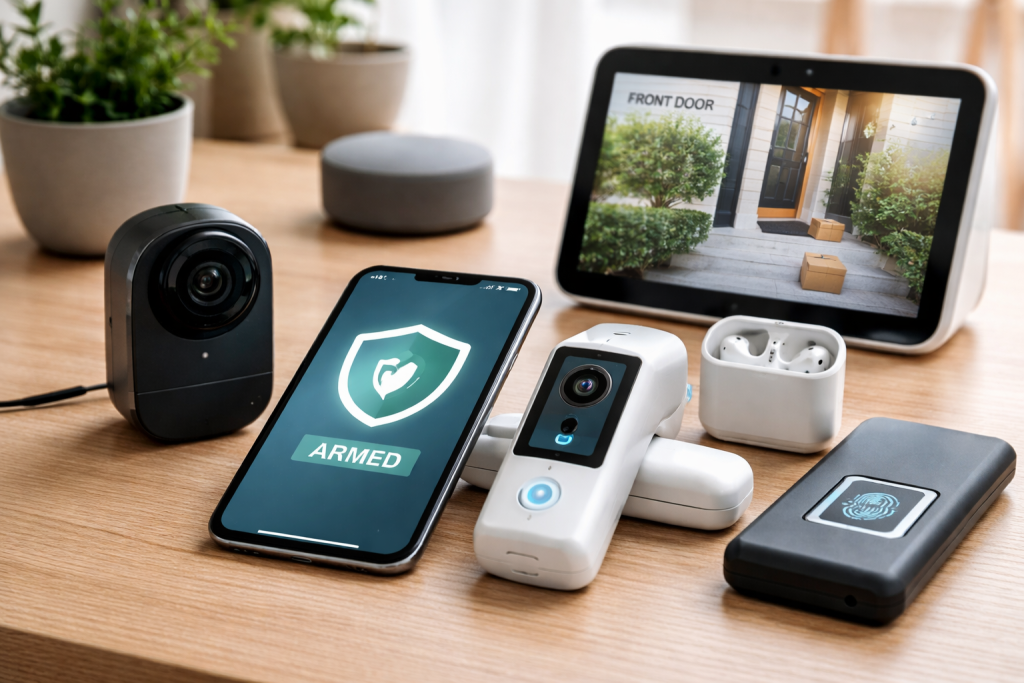
In an era of pervasive data collection and sophisticated cyber threats, understanding and actively managing one’s privacy is crucial. In this context, privacy is the ability to control what information is collected, how it is used, and who has access to it. Establishing a robust fence around your digital property allows you to control access and visibility. Without robust privacy measures, sensitive data, from financial details and personal communications to health records and intellectual property, can be exposed to unauthorized access, manipulation, or theft. This exposure can lead to identity theft, financial loss, reputational damage, and even physical harm. The increasing integration of technology in our lives heightens the importance of privacy protection.
Contents
- 0.1 The Evolving Threat Landscape
- 0.2 Fundamental Principles of Privacy
- 0.3 Network Security Devices
- 0.4 Physical Security Devices
- 0.5 Virtual Private Networks (VPNs) and Encrypted Communication Devices
- 0.6 Data Protection and Storage Solutions
- 0.7 Fingerprint Scanners
- 0.8 Facial Recognition Technology
- 0.9 Voice Recognition Systems
- 0.10 Analyzers of network traffic
- 0.11 Encrypted Communication Hardware
- 0.12 Physical Security for Smartphones and Tablets
- 0.13 Mobile Network and Bluetooth Security
- 0.14 Decentralized Identity and Data Management
- 0.15 Advanced Encryption Techniques and Hardware Security Modules (HSMs)
- 0.16 Biometric Privacy Enhancements
- 1 FAQs
- 1.1 1. What are some cutting-edge security tech gadgets for protecting privacy at home and in the office?
- 1.2 2. How can innovative gadgets help protect online privacy?
- 1.3 3. What are some examples of biometric security devices for personal privacy?
- 1.4 4. How can tech gadgets help enhance privacy for mobile devices?
- 1.5 5. What does the future of privacy protection look like with emerging security tech gadgets?
The Evolving Threat Landscape
The methods employed by malicious actors are constantly evolving. From sophisticated phishing schemes and ransomware attacks to supply chain vulnerabilities and the exploitation of unpatched software, the digital battleground is dynamic. Data breaches are no longer rare occurrences but a consistent feature of the online world. These threats target individuals, businesses, and even governments, highlighting the universal need for effective security solutions. Each new device connected to the internet, each new online service utilized, can potentially become a new entry point for these threats, making vigilance and proactive defense essential.
Fundamental Principles of Privacy
Effective privacy protection is built on core principles. These include data minimization, where only necessary data is collected; purpose limitation, ensuring data is used only for its intended purpose; and transparency, informing individuals about data collection and usage practices. Furthermore, security measures such as encryption and access controls are fundamental to preventing unauthorized access. Implementing these principles is the first step before considering specific technological solutions. Think of these principles as the foundational blueprints for your digital security.
Securing physical spaces and digital networks within homes and offices requires a blend of hardware and software solutions. These gadgets act as sentinels, both detecting and deterring potential intrusions.
Network Security Devices
The internet connection is the gateway to your digital life. The first lines of defense include routers, firewalls, and network intrusion detection systems. Modern routers offer robust encryption protocols like WPA3, which scramble data transmitted over your Wi-Fi network, making it unintelligible to eavesdroppers. Network-attached storage (NAS) devices can provide secure, centralized file storage with built-in backup capabilities, preventing data loss and offering encrypted access. Advanced firewalls can monitor network traffic for suspicious patterns, blocking malicious connections before they reach your devices. These devices are the gatekeepers of your digital domain.
Smart Home Security Systems
Beyond internet security, physical security within the home is also crucial. Smart home security systems integrate cameras, motion sensors, door/window sensors, and smart locks into a cohesive network. When these systems detect anomalies like unexpected motion or an opened door, they can send real-time alerts to your smartphone. Many systems offer remote access, allowing you to view live camera feeds or control locks from anywhere. Some advanced systems even integrate with voice assistants, enabling voice commands for arming or disarming the system.
Office Network Segmentation and Access Control
For businesses, network segmentation is a key strategy. This involves dividing a network into smaller, isolated segments, which limits the potential damage if one segment is compromised. Access control goes hand in hand with segmentation. Devices like managed switches and enterprise-grade firewalls allow administrators to define granular access policies, ensuring that only authorized users and devices can connect to specific network resources. This is akin to creating secure zones within a building, where access to each zone is strictly controlled.
Physical Security Devices
Complementing digital defenses, physical security devices offer a tangible layer of protection.
High-Definition Security Cameras
Modern security cameras provide high-resolution video, often with features like night vision, motion detection, and wide-angle lenses. Cloud storage options allow for easy access to recorded footage remotely. Some cameras even offer two-way audio, enabling communication with individuals at the location. These cameras act as vigilant eyes, recording events and deterring potential threats.
Smart Locks and Access Control Systems
Smart locks replace traditional deadbolts, offering keyless entry via smartphone apps, keypads, or even biometric scanners. They provide a way to grant temporary access to visitors or service personnel without physical keys and the ability to revoke access instantly. For offices, more sophisticated access control systems can manage entry for multiple doors and users, maintaining audit trails of who entered where and when.
The internet is a vast ocean of information, and navigating it safely requires specific tools to shield your online activities. These gadgets are designed to be your personal submarine, navigating the depths of the web with stealth.
Virtual Private Networks (VPNs) and Encrypted Communication Devices
A Virtual Private Network (VPN) is a service that encrypts your internet traffic and routes it through a server in a location of your choice. This masks your IP address, making your online activity appear to originate from the VPN server’s location and making it much harder for websites, advertisers, or even your ISP to track your browsing habits. Beyond standard VPN services, some specialized hardware devices offer built-in VPN capabilities, providing a more simplified and secure connection for your entire network.
Encrypted communication devices, such as secure smartphones or encrypted messaging apps, utilize end-to-end encryption to ensure that only the sender and intended recipient can read messages. This means that even the service provider cannot access the content of your communications. These tools are vital for safeguarding sensitive conversations.
Secure Browsing Hardware
While software solutions like browser extensions are common for online privacy, dedicated hardware devices can offer an additional layer of security. These might include USB devices that create a secure, isolated browsing environment, preventing malware from your regular operating system from affecting your web sessions. They can act as a sterile sandbox for your sensitive online tasks.
Data Protection and Storage Solutions
Beyond preventing access, protecting your data from loss or compromise is paramount.
Encrypted Hard Drives and USB Drives
Physical storage devices can be secured with encryption. Encrypted hard drives and USB drives use built-in hardware encryption to protect the data stored on them. Access is typically granted via a password or passphrase, and if the drive is lost or stolen, the data remains inaccessible without the correct credentials. This technique is like having a locked vault for your digital files.
Secure Cloud Backup Solutions
While cloud storage offers convenience, selecting a provider with robust security measures and end-to-end encryption is key. Some services offer clients that encrypt your data locally before it’s uploaded to the cloud, ensuring that the cloud provider cannot access your unencrypted files. This provides a safety net for your digital assets.
Biometric authentication uses unique biological characteristics to verify identity, offering a convenient and often more secure alternative to traditional passwords. These devices leverage your personal identity as the key.
Fingerprint Scanners
Fingerprint scanners are widely integrated into smartphones, laptops, and even some external peripherals. They capture the unique patterns of ridges and valleys on your fingertips to authenticate users. While generally secure, it is important to consider the quality and implementation of the scanner, as some older or less sophisticated devices may be susceptible to spoofing.
Facial Recognition Technology
Facial recognition systems use math to find and compare facial features. Security cameras and smartphones are increasingly incorporating this technology. The effectiveness and privacy implications of facial recognition are subjects of ongoing debate, with concerns about potential misuse and the accuracy of algorithms across diverse populations.
Iris and Retina Scanners
Iris and retina scanners are considered highly accurate biometric authentication methods. They analyze the unique patterns within the iris or retina of the eye. While not as common in consumer devices as fingerprint or facial recognition, they are employed in high-security environments due to their robustness.
Voice Recognition Systems
Voice recognition uses the unique characteristics of an individual’s voice to authenticate them. This can be integrated into smart home devices or dedicated security systems. Background noise or vocal changes can affect the accuracy of voice recognition, just like other biometrics.
Smartwatches and Wearable Biometric Sensors
Many smartwatches and fitness trackers now incorporate biometric sensors, monitoring heart rate, sleep patterns, and even blood oxygen levels. While primarily used for health tracking, these devices can also contribute to security. For instance, some systems can use a smartwatch as a proximity-based authentication factor, unlocking a device when the authorized smartwatch is nearby.
Despite the common association of technology with surveillance, there exist gadgets that assist individuals in comprehending and reducing the effects of monitoring. These are tools to understand the invisible threads of observation.
Analyzers of network traffic
Network traffic analyzers, also known as packet sniffers, assist individuals in comprehending the data transmitted to and from their devices and networks. While powerful tools that require technical understanding, they can reveal unexpected or unauthorized communication, pointing to potential privacy breaches or malware.
GPS Trackers and Privacy Concerns
GPS trackers, while useful for asset tracking or locating vehicles, also raise significant privacy concerns if used without consent. There are also counter-surveillance gadgets, such as GPS signal jammers or detectors, that can be used to identify the presence of unauthorized tracking devices.
Encrypted Communication Hardware
As mentioned earlier, end-to-end encrypted communication hardware is crucial for privacy. This extends beyond simple messaging apps to include secure phones or devices designed for encrypted voice and video calls, ensuring that conversations remain private, even from sophisticated eavesdropping.
Privacy-Focused Operating Systems and Software
Beyond hardware, software plays a vital role. Operating systems like Tails are designed for anonymity and privacy, routing all internet traffic through Tor and leaving no trace on the computer. Similarly, privacy-focused browsers and search engines offer enhanced protection against tracking and data collection.
Mobile devices are extensions of our personal lives, carrying a wealth of sensitive information. Protecting them requires dedicated solutions.
Physical Security for Smartphones and Tablets
Beyond screen protectors, there are various physical security measures. Secure cases can offer enhanced durability, and some even have built-in RFID-blocking capabilities to prevent unauthorized scanning of contactless payment cards or identification linked to the phone. Some specialized cases also include integrated privacy screens, limiting viewing angles to prevent shoulder surfing.
Secure Storage Solutions for Mobile Devices
Many mobile devices offer built-in encryption for their storage. However, for an extra layer of security, external secure storage devices or encrypted cloud sync solutions can be utilized. These act as secure vaults for your mobile data.
Mobile Network and Bluetooth Security
Mobile devices connect to various networks.
Bluetooth Trackers and Their Security Implications
Bluetooth trackers are convenient for finding lost items but can also be misused for stalking. Companies are developing features to mitigate this, such as proximity alerts for unknown trackers. Furthermore, some security-focused Bluetooth devices offer enhanced encryption for their connections.
Wi-Fi Analyzers and Network Security
Mobile Wi-Fi analyzer apps can help identify open or compromised Wi-Fi networks, alerting users to potential security risks before connecting. Using a VPN on mobile devices is also a critical step in protecting online activity.
The landscape of privacy is constantly shifting, and emerging technologies promise new ways to safeguard our digital lives.
Decentralized Identity and Data Management
Future privacy solutions may involve decentralized identity systems, where individuals have greater control over their digital identity and how their data is shared, rather than relying on centralized databases. This could be managed through secure hardware wallets or distributed ledger technologies.
Advanced Encryption Techniques and Hardware Security Modules (HSMs)
Research continues into more robust encryption methods, including post-quantum cryptography, which aims to be resistant to attacks from future quantum computers. Hardware Security Modules (HSMs) are specialized devices designed to securely generate, store, and manage cryptographic keys, offering a very high level of security for critical data.
AI-Powered Threat Detection and Prevention
Artificial intelligence is increasingly being employed in cybersecurity to detect anomalies and predict threats in real-time. AI-powered security gadgets could offer proactive protection by identifying and neutralizing potential attacks before they even impact users.
Biometric Privacy Enhancements
Future biometric systems may incorporate more advanced privacy features, such as continuous authentication that subtly verifies identity throughout a session, reducing the need for repeated explicit authentication. There is also research into privacy-preserving biometric algorithms that operate on encrypted data.
The Role of Regulation and User Education
Ultimately, technology is only one part of the privacy puzzle. Future advancements will also be shaped by evolving regulations like GDPR and CCPA and by a greater emphasis on user education. Increased awareness about privacy risks and the capabilities of security gadgets will empower individuals to make informed choices and utilize these tools effectively. We are continuously forging tools to protect the vast digital frontier.
FAQs
1. What are some cutting-edge security tech gadgets for protecting privacy at home and in the office?
Some cutting-edge security tech gadgets for protecting privacy at home and in the office include smart locks, security cameras with advanced encryption, and biometric access control systems.
2. How can innovative gadgets help protect online privacy?
Innovative gadgets can help protect online privacy by providing features such as VPN routers, encrypted USB drives, and privacy-focused webcams that prevent unauthorized access to personal data and online activities.
3. What are some examples of biometric security devices for personal privacy?
Examples of biometric security devices for personal privacy include fingerprint scanners, facial recognition door locks, and iris scanners, which provide a high level of security by using unique biological characteristics for authentication.
4. How can tech gadgets help enhance privacy for mobile devices?
Tech gadgets can help enhance privacy for mobile devices through the use of encrypted messaging apps, privacy screen protectors, and RFID-blocking wallets to prevent unauthorized access to sensitive information.
5. What does the future of privacy protection look like with emerging security tech gadgets?
The future of privacy protection with emerging security tech gadgets includes advancements in AI-powered privacy tools, quantum encryption for secure communication, and biometric wearables for continuous authentication, offering a more robust and personalized approach to privacy protection.

At SecureByteHub, we are passionate about simplifying cybersecurity and technology for everyone. Our goal is to provide practical, easy-to-understand guides that help individuals, students, and small businesses stay safe in the digital world. From online security tips to the latest tech insights, we aim to empower our readers with knowledge they can trust